


The short answer
The best careers for ISTPs involve hands-on problem solving with real tools and systems: auto or aircraft mechanic, electrician, wind turbine technician, mechanical engineer, information security analyst, firefighter, paramedic and forensic science technician. ISTPs (Introverted, Sensing, Thinking, Perceiving) need freedom to work their own way, variety and problems they can see and fix, and they are drained by paperwork, constant meetings and jobs built on small talk or rigid routine. The highest-paying good fit is airline or commercial pilot, with a median pay of $210,020 a year (BLS, May 2025).
On this page
What fitsWhat Makes a Good Career for an ISTP?
In shortISTPs thrive in hands-on work with independence, action and variety, and struggle in jobs full of meetings and paperwork.
Every career on this page was matched against the six things that decide whether an ISTP feels at home at work. The bars show how much each one matters to the type: the higher the bar, the more a job needs it.
- Hands-on problem solvingMust have
ISTPs want a real problem in front of them: an engine that will not start, a fault in a network, a scene to make sense of. Fixing it is the reward.
- IndependenceMust have
Freedom to choose the method once the task is clear. Close supervision and step-by-step instructions feel like a waste of their skill.
- Action and varietyMust have
With Extraverted Sensing as their second function, ISTPs come alive when something is happening. New sites, new faults and the odd emergency keep them sharp.
- Logic that makes senseImportant
Introverted Thinking leads: ISTPs need to understand how a system works, and they respect a rule once they can see the reason behind it.
- Visible resultsImportant
Work they can test and check: the machine runs, the network holds, the repair passes inspection. Goals with no clear finish frustrate them.
- Meetings and paperworkKeep low
Keep it low. Long meetings, reports nobody reads and constant small talk drain ISTPs faster than hard physical work.
Our own work-fit profile, built from the ISTP preferences (Introverted, Sensing, Thinking, Perceiving). It describes the type, not you: your own interests and skills matter just as much.
Best careersBest Careers for ISTPs
The 20 best careers for ISTPs, in five groups: the best jobs for ISTPs and the career paths they lead to. Each card shows why the job fits the Virtuoso and the official U.S. figures: median yearly pay (May 2025), job growth (the expected change in the number of jobs from 2025 to 2035) and the education most people need to start.
ISTP careers list
- Auto mechanic
- Aircraft mechanic
- Electrician
- Industrial machinery mechanic
- Wind turbine technician
- Mechanical engineer
- Electrical engineer
- Computer hardware engineer
- Mechatronics technician
- Information security analyst
- Software developer
- Computer network architect
- Airline or commercial pilot
- Firefighter
- Paramedic or EMT
- Police officer or detective
- Forensic science technician
- Diagnostic medical sonographer
- Surgical technologist
- Orthotist or prosthetist
ISTP careersSkilled trades and repair
Careers where an ISTP diagnoses and fixes real machines and systems.

Auto mechanic
BLS: Automotive Service Technicians and MechanicsA top match. Diagnosing a car means testing, listening and ruling causes out until the fault is found, the step-by-step logic (Ti) that ISTPs enjoy, with tools in hand.

Aircraft mechanic
BLS: Aircraft and Avionics Equipment Mechanics and TechniciansAircraft mechanics inspect and repair engines, landing gear and electronics to exacting standards. ISTPs like the precision, the complex systems and the clear test at the end.
Electrician
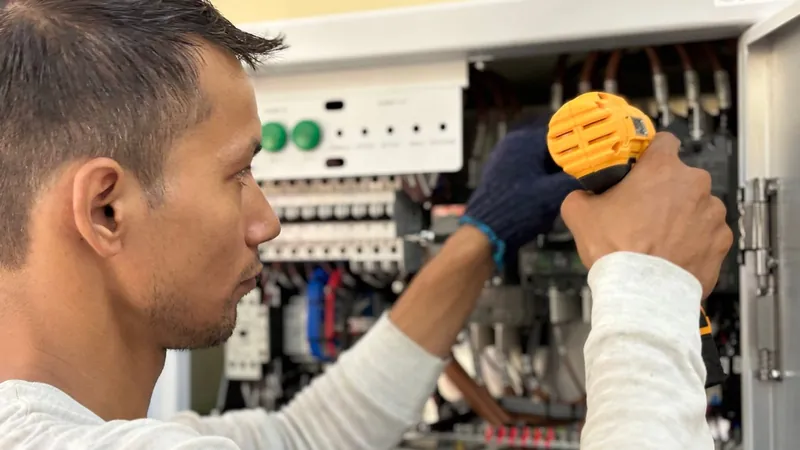
BLS: ElectriciansElectricians read a system, trace faults and work on a different site most weeks. The trade starts with an apprenticeship, so ISTPs earn while they learn.

Industrial machinery mechanic
BLS: Industrial Machinery Mechanics, Machinery Maintenance Workers, and MillwrightsKeeping factory machines running means quick diagnosis under pressure when a production line stops. ISTPs stay calm and practical, and demand for this work is growing.

Wind turbine technician
BLS: Wind Turbine TechniciansOne of the fastest-growing jobs in the Handbook. Technicians climb turbines to inspect and repair them, which suits ISTPs who like heights, tools and working in a small crew.
ISTP careersEngineering and hardware
For ISTPs who want to design the machines as well as fix them.

Mechanical engineer
BLS: Mechanical EngineersMechanical engineers design, build and test engines, tools and machines. It suits ISTPs who like to understand exactly how things move, then prove it with a prototype.
Electrical engineer
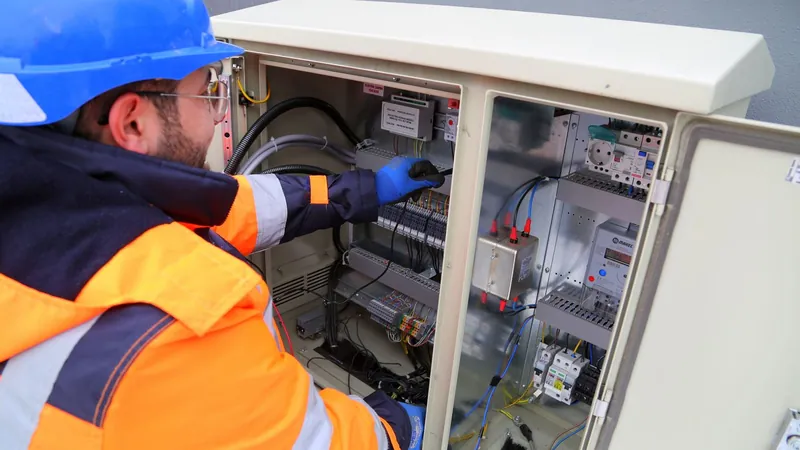
BLS: Electrical and Electronics EngineersDesigning and testing circuits, power systems and devices uses the ISTP's analytical logic, and much of the work happens at test benches rather than in meetings.
Computer hardware engineer
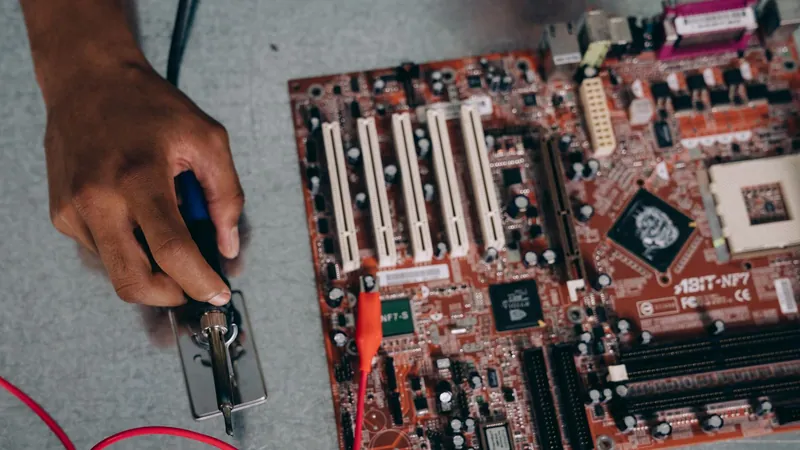
BLS: Computer Hardware EngineersBuilding and testing processors, circuit boards and devices combines hands-on lab work with deep technical logic, and it is one of the best-paying careers on this page.

Mechatronics technician
BLS: Electro-mechanical and Mechatronics Technologists and TechniciansMechatronics technicians build, test and repair robots and automated equipment. An associate's degree is the usual entry, making it a quick route into engineering-style work.
ISTP careersTech and cybersecurity
Careers that let ISTPs take digital systems apart and find out how they break.

Information security analyst
BLS: Information Security AnalystsSecurity work is troubleshooting against an opponent: finding weak points, testing defences and reacting fast to an attack. A fast-growing field that rewards a cool head.
Software developer
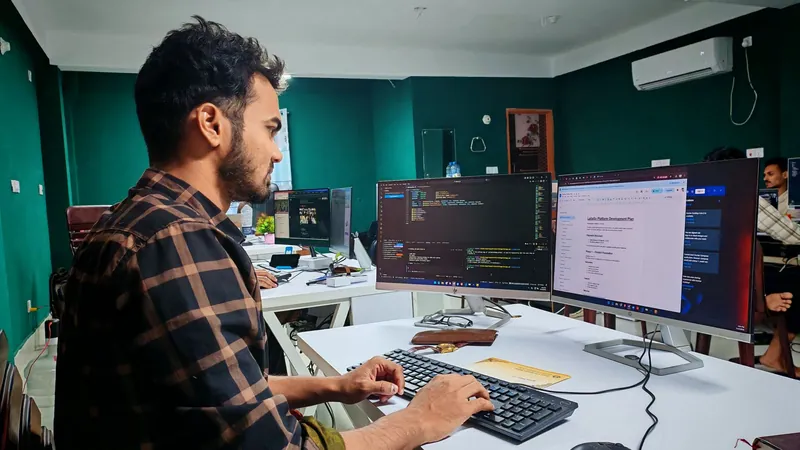
BLS: Software Developers, Quality Assurance Analysts, and TestersISTPs often prefer back-end, systems or testing work, where code either works or it does not, and where they can solve problems without much ceremony.

Computer network architect
BLS: Computer Network ArchitectsDesigning and building the networks companies run on, from cabling to the cloud. ISTPs like the logical structure and the hands-on troubleshooting when something fails.
ISTP careersPilots, first responders and investigators
Careers where staying calm and acting fast matter most.

Airline or commercial pilot
BLS: Airline and Commercial PilotsFlying combines machine skill, sharp awareness of the moment (Se) and cool decisions when conditions change. The training is long, but it is the best-paying ISTP fit.

Firefighter
BLS: FirefightersFirefighting means physical action, quick decisions and practical rescue skills. ISTPs are often at their best in an emergency, when other people freeze.

Paramedic or EMT
BLS: EMTs and ParamedicsParamedics assess a scene in seconds and act. The mix of hands-on skill, calm under pressure and daily variety suits ISTPs, and entry is through a certificate.

Police officer or detective
BLS: Police and DetectivesDetective work is careful observation and logical deduction, and patrol work rewards a calm response to the unexpected. Both give ISTPs action and variety.

Forensic science technician
BLS: Forensic Science TechniciansCollecting and analysing evidence from crime scenes uses the ISTP's eye for physical detail and their objective, step-by-step reasoning, in a growing field.
ISTP careersHands-on health care
Health careers built on equipment, precision and steady hands.
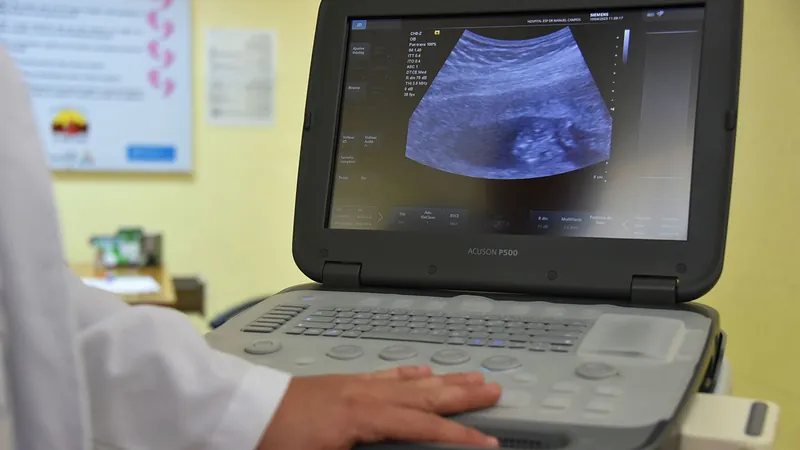
Diagnostic medical sonographer
BLS: Diagnostic Medical SonographersSonographers operate ultrasound machines to create images that doctors use for diagnosis. ISTPs enjoy the technical skill and precision, and an associate's degree is the usual way in.
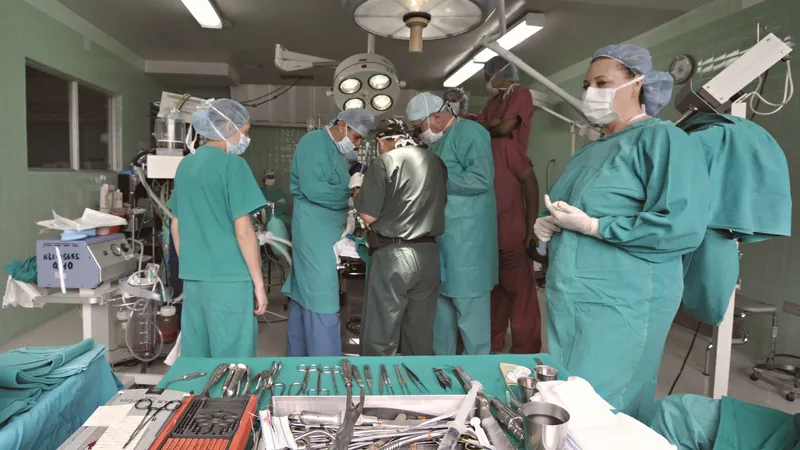
Surgical technologist
BLS: Surgical Assistants and TechnologistsSurgical technologists prepare instruments and assist during operations. The focused, practical role suits ISTPs who stay calm when the stakes are high.

Orthotist or prosthetist
BLS: Orthotists and ProsthetistsDesigning and fitting braces and artificial limbs mixes engineering, workshop skills and practical problem solving, with a clear, physical result for each patient.
Check Your Type Before You Choose a Career
The free personality test shows your four letters and how strongly you lean on each one. Free to take · Free summary · Full report optional.
PayHighest-Paying ISTP Careers
In shortThe best-paid ISTP fit is airline or commercial pilot, with a median of $210,020 a year.
The highest-paying jobs for ISTPs among the careers on this page, ranked by U.S. median annual pay. Half of all workers in each job earn more than this figure and half earn less; for comparison, the median for all U.S. workers was $50,980 in May 2025.
| Career | Median pay | Growth to 2035 | Entry education |
|---|---|---|---|
| Airline or commercial pilot | $210,020 | +7% | Varies |
| Computer hardware engineer | $161,740 | +9% | Bachelor's |
| Computer network architect | $134,050 | +8% | Bachelor's |
| Software developer | $134,040 | +10% | Bachelor's |
| Information security analyst | $129,180 | +21% | Bachelor's |
| Electrical engineer | $125,040 | +8% | Bachelor's |
| Data scientist | $120,230 | +35% | Bachelor's |
| Mechanical engineer | $104,110 | +11% | Bachelor's |
| Network administrator | $99,130 | -4% | Bachelor's |
| Diagnostic medical sonographer | $96,590 | +14% | Associate's |
Without a degreeISTP Jobs Without a Degree
A bachelor's degree is not the only way in. These ISTP jobs without a degree usually start with a high school diploma, a certificate or an associate's degree.

Elevator installer
One of the best-paying trades without a degree. Installing and fixing elevators takes mechanical, electrical and safety skills learned through an apprenticeship.

Power-line worker
Climbing poles and restoring power after storms: physical, technical work with real risk, learned on the job.
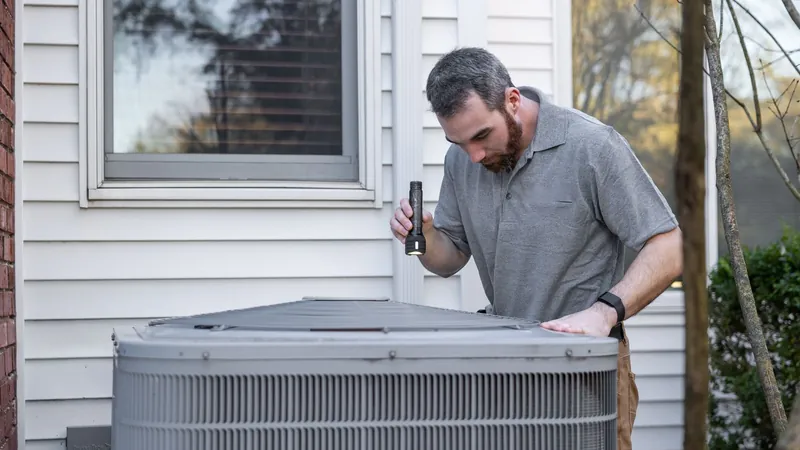
HVAC technician
Diagnosing and fixing heating and cooling systems at a different site every day, after a certificate or apprenticeship.

Plumber
Solving practical problems with pipes and water systems, often working alone, after an apprenticeship that pays a wage while you learn.

Solar panel installer
One of the fastest-growing jobs in the Handbook, with hands-on outdoor work installing and testing solar panels.

Welder
Precise, hands-on work joining metal, with skills that travel to shipyards, factories and building sites.
TechISTP Careers in Tech
These tech roles let ISTPs troubleshoot real systems, networks and hardware, often under pressure.
- Information security analystPenetration testing, incident response and digital forensics: hands-on problem solving against a real opponent.Median pay$129,180Job growth+21%EducationBachelor's
 Network administratorBuilding, fixing and maintaining networks and servers, often with plenty of hands-on hardware work.Median pay$99,130Job growth-4%EducationBachelor's
- Software developerBack-end, embedded and systems programming, or testing code until it breaks and finding out why.Median pay$134,040Job growth+10%EducationBachelor's
- Computer hardware engineerDesigning and testing chips, boards and devices in a lab rather than a meeting room.Median pay$161,740Job growth+9%EducationBachelor's
 Data scientistFor ISTPs who enjoy taking messy data apart to see how a system really behaves.Median pay$120,230Job growth+35%EducationBachelor's
Careers to avoidISTP Careers to Avoid
In shortISTPs usually struggle in desk jobs built on rules, small talk and paperwork, with nothing real to take apart or fix.
Any type can succeed in any job, but these are the ISTP jobs to avoid, or at least to choose carefully, because they go against what ISTPs need most. Each one comes with a practical way out or around it.
Rule-checking desk work
Why it drains an ISTP: Enforcing policies that may have no clear reason, mostly through documents and reports, frustrates Ti, which needs to see why a rule exists.
If you are already there: Move to the technical side, such as safety inspection, quality testing or security auditing, where you check real equipment and systems.
Networking-heavy sales
Why it drains an ISTP: Success depends on small talk, self-promotion and keeping many clients happy at once, which leans on Fe, the ISTP's least developed function, all day long.
If you are already there: Specialise in the technical side, such as property inspection or construction, or sell technical products you understand well.
Event coordination
Why it drains an ISTP: Planning events means juggling many people's wishes, phone calls and changes of mind, with little hands-on work and few problems that logic can solve.
If you are already there: Take on the production side instead: sound, lighting, staging and logistics, where the problems are physical.
Routine office admin
Why it drains an ISTP: Filing, data entry and answering the same questions at a desk all day give an ISTP no variety, no tools and nothing to fix.
If you are already there: Volunteer for IT, equipment or facilities tasks, and use them as a bridge into a technical role.
HR and employee relations
Why it drains an ISTP: Days of meetings, policies and emotional conversations about workplace disputes call for constant tact and give the ISTP's practical skills little use.
If you are already there: Move towards HR systems, payroll technology or workplace health and safety, where the work is concrete.
At workISTP at Work: Strengths and Blind Spots
Strengths at work
- Stays calm and practical in a crisis
- Finds the real cause of a fault quickly
- Learns new tools and machines fast by using them
- Works independently with little need for supervision
- Cuts unnecessary steps to get the job done
Blind spots
- Can seem distant or blunt to colleagues
- Loses interest in routine follow-up and paperwork
- May keep problems to themselves instead of asking for help
- Can ignore rules they think are pointless, which causes friction
As a teammate, the ISTP is the quiet one who fixes the problem while others are still discussing it. They prefer short, practical conversations, respect colleagues who know their craft and are most useful when given a problem and room to solve it.
As a leader, ISTPs lead by example and by skill, often stepping up without being asked in an emergency. They give their team freedom and expect the same in return, but need to share their reasoning and check in with people more often than feels natural to them.
Read the full ISTP personality type profile for the cognitive functions behind these patterns.
CollegeBest College Majors for ISTPs
The best majors for ISTPs, and the careers above that each one leads to:
| Major | Leads to |
|---|---|
| Mechanical engineering | Mechanical engineer, product design, robotics |
| Electrical engineering | Electrical, electronics or hardware engineer |
| Computer science or cybersecurity | Security analyst, network architect, software developer |
| Aviation | Airline or commercial pilot, aircraft maintenance |
| Fire science or emergency medical services | Firefighter, paramedic, emergency management |
| Forensic science | Crime scene and forensic lab work |
| Engineering technology or mechatronics (associate's) | Automation, robotics and maintenance technician |
| Diagnostic medical sonography | Ultrasound and medical imaging careers |
Job offer checkIs This Job Right for an ISTP? 8 Questions
Before you accept an offer, answer these honestly. Two or more “no” answers is a warning sign for an ISTP.
- Will I spend most of the day on real problems, not in meetings?
- How much freedom will I have to choose my own methods and tools?
- Does the job bring variety: different sites, faults or cases?
- Are the rules here based on reasons I can understand?
- Can I see and test the results of my own work?
- How much paperwork and reporting comes with the role?
- Does the team respect skill more than talk?
- Is there room to learn new equipment or technology as I go?
How to chooseHow to Choose a Career as an ISTP
- Start with what you like to fixEngines, circuits, networks or people in an emergency: notice which problems you solve for fun, then look for jobs built around them.
- Try it with your handsTake a workshop, a short course or a weekend job. ISTPs know quickly whether a field suits them once they have used the tools.
- Weigh the numbersCheck the pay, growth and education for each path on this page. Many trades let you earn a wage while you train as an apprentice.
- Pick the training routeChoose between an apprenticeship, a certificate, an associate's degree or a four-year degree, based on how much theory you want.
- Confirm your typeBefore you plan around ISTP, check that the letters fit. The free personality test takes about 12 minutes.
Not sure which field suits you? The free career test finds your Holland code and the careers that match your interests.
As an introvert, you may also like our guide to careers for introverts.
Share This Guide
Know someone who would find this useful? Send it to them in one tap.
QuestionsISTP Careers: FAQ
What is the best job for an ISTP?
Hands-on troubleshooting work usually suits ISTPs best, such as auto or aircraft mechanic, electrician and wind turbine technician. Engineering, cybersecurity, flying, firefighting and paramedic work are also strong fits, because they combine logic, tools and quick decisions.
What are the highest-paying ISTP careers?
Among careers that suit ISTPs, airline or commercial pilot pays the most (median $210,020 a year), followed by computer hardware engineer ($161,740), computer network architect ($134,050), software developer ($134,040), information security analyst ($129,180), according to the U.S. Bureau of Labor Statistics (median pay, May 2025).
What jobs should ISTPs avoid?
ISTPs tend to struggle in desk jobs full of routine paperwork, rule-checking and meetings, and in roles built on small talk or managing feelings, such as networking-heavy sales, event coordination and employee relations work.
What jobs can an ISTP do without a degree?
Many of the best ISTP careers are skilled trades learned through an apprenticeship or certificate: elevator installer, power-line installer, electrician, HVAC technician, plumber, welder and solar panel installer. Aircraft and auto mechanics usually train through a postsecondary certificate.
What are the best jobs for ISTP women?
ISTP women suit exactly the same careers as ISTP men, since personality type does not depend on gender. Engineering, cybersecurity, aviation, emergency services and the skilled trades are all good fits for any ISTP who likes practical, hands-on problem solving. The best jobs for female and male ISTPs are the same, and so are the careers to avoid.
Are ISTPs good engineers?
Often, yes. Engineering rewards the ISTP's habit of understanding how a system works from the inside and testing it until it is right. They usually prefer hands-on design, testing and field work to long planning meetings.
Are ISTPs good in emergencies?
Yes, this is one of their clearest strengths. ISTPs tend to stay calm, read the situation quickly and act on what works, which makes firefighting, paramedic work, policing and flying natural fits.
Can ISTPs work in tech?
Yes. Cybersecurity, network and systems administration, hardware engineering and back-end or embedded software all suit ISTPs, because they involve hands-on troubleshooting and systems that either work or do not.
SourcesSources
- U.S. Bureau of Labor Statistics (2026). Occupational Outlook Handbook, 2025 edition, published 29 October 2026: median annual pay (May 2025), employment change 2025-35 and typical entry-level education for each occupation.
- Myers, I. B., McCaulley, M. H., Quenk, N. L. and Hammer, A. L. (1998). MBTI Manual: A Guide to the Development and Use of the Myers-Briggs Type Indicator (3rd ed.). Consulting Psychologists Press.
- Myers, I. B. with Myers, P. B. (1980). Gifts Differing: Understanding Personality Type. Davies-Black.