

The short answer
An alignment chart is a 3 x 3 grid that sorts characters by two things: their attitude to rules (lawful, neutral or chaotic) and their attitude to other people (good, neutral or evil). The nine squares, from Lawful Good to Chaotic Evil, come from the Dungeons & Dragons role-playing game, and the chart is now used for characters, people and memes.
On this page
MeaningWhat Is an Alignment Chart?
In shortAn alignment chart is a 3 x 3 grid that places a character by their attitude to rules and their attitude to other people.
Every character on the chart answers two questions. First: do they follow rules, traditions and promises, or do they trust their own judgement and freedom? Second: do they care about other people, look after themselves, or harm others to get what they want? Crossing the two answers gives nine squares, from Lawful Good in the top-left corner to Chaotic Evil in the bottom-right.
The chart is a simple way to describe a character in one phrase. Writers use it to keep characters consistent, players use it in role-playing games, and the internet uses it for memes that sort anything from foods to friends into the nine squares.
The two linesThe Two Lines of the Alignment Chart
Lawful, Neutral, Chaotic
Lawful characters trust rules, promises and order. Chaotic characters trust their own judgement and freedom, and break rules they disagree with. Neutral sits in between.
Good, Neutral, Evil
Good characters protect and help others. Evil characters harm others or do not care who gets hurt. Neutral characters balance their own needs against other people’s.
The 9 alignmentsThe 9 Alignments Explained
Select any alignment for its full meaning, traits, real-life examples, classic characters and D&D tips.
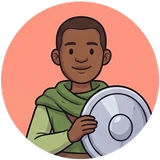 The ProtectorLawful GoodLawful Good means doing the right thing through fair rules and kept promises.Read more
 The HelperNeutral GoodNeutral Good means helping people first and following rules only when they help.Read more
 The Rebel with a HeartChaotic GoodChaotic Good means following your conscience over the rules to protect or help others.Read more
 The JudgeLawful NeutralLawful Neutral means valuing order, rules and consistency above personal feelings.Read more
 The BalancerTrue NeutralTrue Neutral means staying balanced between rules and freedom, and between self and others.Read more
 The Wild CardChaotic NeutralChaotic Neutral means putting your own freedom first and following the moment.Read more
 The BossLawful EvilLawful Evil means using rules, systems and deals to get ahead, without caring who loses.Read more
 The OpportunistNeutral EvilNeutral Evil means putting yourself first and using rules or people only when it pays.Read more
 The Agent of ChaosChaotic EvilChaotic Evil means ignoring rules and other people for the thrill or the gain.Read more
Find Your Alignment in 3 Minutes
12 everyday dilemmas place you on both lines of the chart. Free, no sign-up, with a hint at your personality type.
HistoryWhere Does the Alignment Chart Come From?
The alignment chart comes from Dungeons & Dragons. The first rules, published in 1974, used a single line: law against chaos. A second line, good against evil, was added in the late 1970s, and the Advanced Dungeons & Dragons books of 1977 and 1978 used the full grid of nine alignments.
Decades later the grid escaped the game table. Fans began sorting characters from books, films and TV into the nine squares, and the chart became a popular internet meme, used for anything from pizza toppings to coworkers. The fifth edition of the game still describes the nine alignments, now as a loose guide to a character’s outlook rather than a strict rule.
How toHow to Make Your Own Alignment Chart
- Pick a themeCharacters from one story, your friends, foods, anything with nine members.
- Ask the two questionsDoes each one follow rules or break them? Does it help others, stay neutral or cause harm?
- Place each onePut each item in the square where both answers meet. Argue about the edge cases: that is half the fun.
- Share and comparePost it and let friends move things around. Then find where you sit with the moral alignment test.
Personality typesAlignment Chart and Personality Types
Alignment describes moral outlook, and personality type describes how you think and decide, so they are not the same. There is a loose, fun link between two of the lines and two of the letters:
| On the alignment chart | Leans towards | Personality letter |
|---|---|---|
| Lawful | plans, rules and closure | J (Judging) |
| Chaotic | freedom and options | P (Perceiving) |
| Good | people and values first | F (Feeling) |
| Evil | logic and self-interest first | T (Thinking) |
Any type can land anywhere on the chart. The free personality test finds your real four letters.
Share This Guide
Know someone who would find this useful? Send it to them in one tap.
QuestionsAlignment Chart: FAQ
What are the 9 alignments?
Lawful Good, Neutral Good, Chaotic Good, Lawful Neutral, True Neutral, Chaotic Neutral, Lawful Evil, Neutral Evil and Chaotic Evil. Each one combines a view on rules (lawful, neutral or chaotic) with a view on other people (good, neutral or evil).
What is the difference between lawful and chaotic?
Lawful characters trust rules, promises, traditions and order, and keep them even when it is inconvenient. Chaotic characters trust their own judgement and freedom more than any rule, and break or bend rules when they disagree with them. Neutral characters sit in between.
Is alignment still in D&D 5e?
Yes. The fifth edition rules still describe the nine alignments as part of creating a character. Newer books treat alignment as a loose guide to a character's outlook rather than a strict rule, and playable species are no longer tied to a fixed alignment.
What is the rarest moral alignment?
There is no reliable count. Online polls and quiz results are not representative samples, so any claim about the rarest alignment is a guess. In games and fiction, Lawful Evil and Lawful Neutral are often said to be picked least, because they ask a character to follow strict rules without the reward of being the hero.
Is chaos considered evil?
No. On the alignment chart, chaos is about rules and good or evil is about other people, so they are separate lines. A chaotic character can be good (Chaotic Good), neutral or evil.
Which alignment is the best?
None is best. Each alignment has strengths and weak spots: Lawful Good is dependable but can be rigid, Chaotic Good is brave but can be reckless, True Neutral is calm but can stay out of things that need it.
How do I find my alignment?
Take our free moral alignment test: 12 everyday dilemmas place you on both lines of the chart in about three minutes, with no sign-up.
SourcesSources
- Gygax, G. and Arneson, D. (1974). Dungeons & Dragons. Tactical Studies Rules. (The first rules: one line, law against chaos.)
- Gygax, G. (1977). Advanced Dungeons & Dragons Monster Manual. TSR. (Uses the nine alignments.)
- Gygax, G. (1978). Advanced Dungeons & Dragons Players Handbook. TSR. (Describes the full 3 x 3 alignment system.)
- Wizards of the Coast (2016). Dungeons & Dragons System Reference Document 5.1. (Fifth-edition alignment descriptions.)
- The character examples come from the public-domain works named next to each one.